Guitar · Keys · Ukulele · Drums
Your first instrument, done right.
An honest starter path for guitar, keys, ukulele and drums — what to skip, what’s enough, and where the money stops mattering.

What we’d buy in each category
The top pick from every comparison on the site. Each one links to the page where it won, so you can read the reasoning and the two or three things it does badly before you spend anything.
Same geometry as the Sonic with medium jumbo frets and better hardware. This is the tier where a beginner stops having a reason to upgrade.
Check price on Amazon →#ad How we’re funded
A solid Sitka spruce top with scalloped bracing at the entry price. Solid-versus-laminate is the one acoustic spec that changes what the instrument does over years, and this is the cheapest place to get it done right.
Check price on Amazon →#ad How we’re funded
A solid Sitka spruce top with scalloped bracing at the entry price. Solid-versus-laminate is the one acoustic spec that changes what the instrument does over years, and this is the cheapest place to get it done right.
Check price on Amazon →#ad How we’re funded
Three strings, a 20.4 inch scale and two pounds. It uses standard guitar strings and standard tuning, so everything learned on it transfers directly to a six-string.
Check price on Amazon →#ad How we’re funded
61 touch-sensitive keys and 125 lesson songs with hand-separate practice and scoring. The touch response is the spec that matters; the 650 tones are the spec that sells it.
Check price on Amazon →#ad How we’re funded
88 graded hammer keys, a concert grand sample and 24 pounds. If the plan is piano lessons rather than keyboard playing, this is where the shopping actually starts.
Check price on Amazon →#ad How we’re funded
A 375 mm concert scale with 18 frets and a 35 mm nut. The extra inch and a bit of scale over a soprano is the difference between cramped and comfortable for most adults.
Check price on Amazon →#ad How we’re funded
A 21 inch carbon-fiber-and-polycarbonate body weighing 430 grams. It is water resistant and it does not care about humidity, which is the honest reason to buy it for a six-year-old.
Check price on Amazon →#ad How we’re funded
A full 22 inch kick, five drums, four stands, a pedal, a throne and cymbals, on 9-ply poplar shells with hand-cut bearing edges. Nothing else needs buying to play it.
Check price on Amazon →#ad How we’re funded
A three-piece with an 11x16 bass drum, real hardwood shells and triple-flanged hoops. It is the smallest acoustic kit where the pedal is actually where a small child's foot is.
Check price on Amazon →#ad How we’re funded
Mesh heads on every pad, a dual-zone snare and Bluetooth audio for playing along. Mesh is the spec that makes an electronic kit tolerable to sit at for an hour.
Check price on Amazon →#ad How we’re funded
Solid carved spruce and maple with an ebony fingerboard, set up in a workshop before shipping, and made in five fractional sizes. The workshop setup is the specification that matters most on a beginner violin.
Check price on Amazon →#ad How we’re funded
Start with this one
Our deepest page
Best beginner electric guitars: what's worth it from $150 to $400
Electric guitars are easier to fret than acoustics and harder to buy well. Three specs decide almost everything, and two of them are never on the front of the box.
Read the picks →Top pick
Squier Affinity Series Stratocaster
Buy once, adult starter
#ad How we’re funded
Every instrument we cover
Four covered in depth and two we are building out. Every hub starts from the same place: what fails, what is enough, and where the money stops mattering.
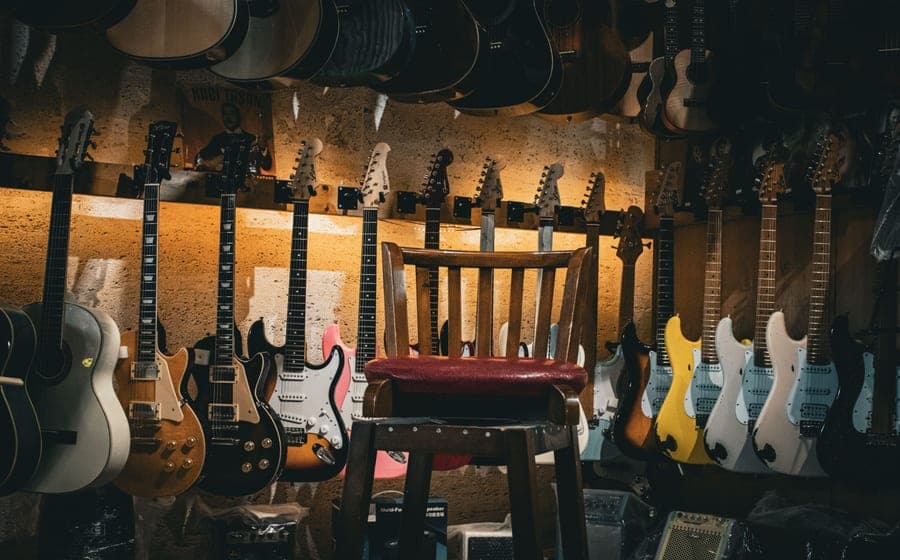
Covered in depth
Guitars
Electric, acoustic, adult and child sizes, and the specific specs that decide whether a beginner sticks with it.
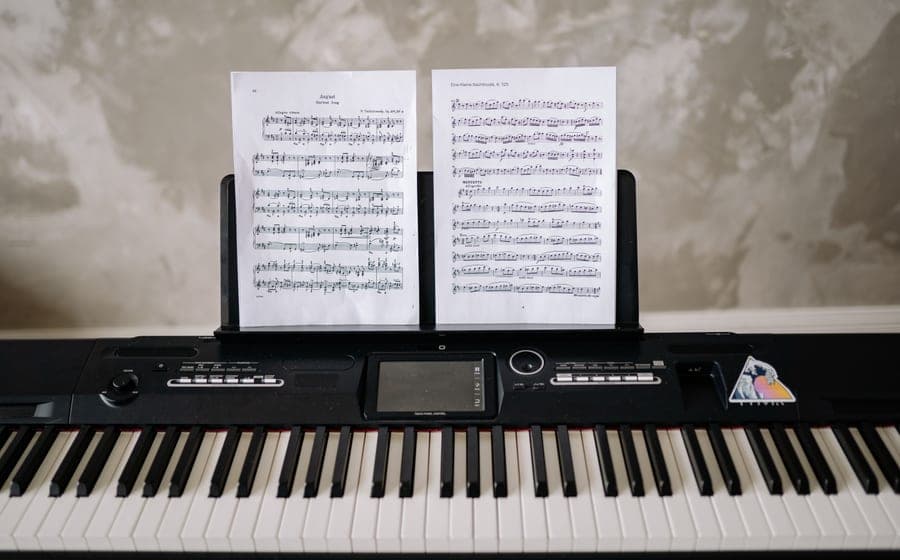
Covered in depth
Keys
Key count, key action, and the difference between a keyboard you play and a piano you learn on.
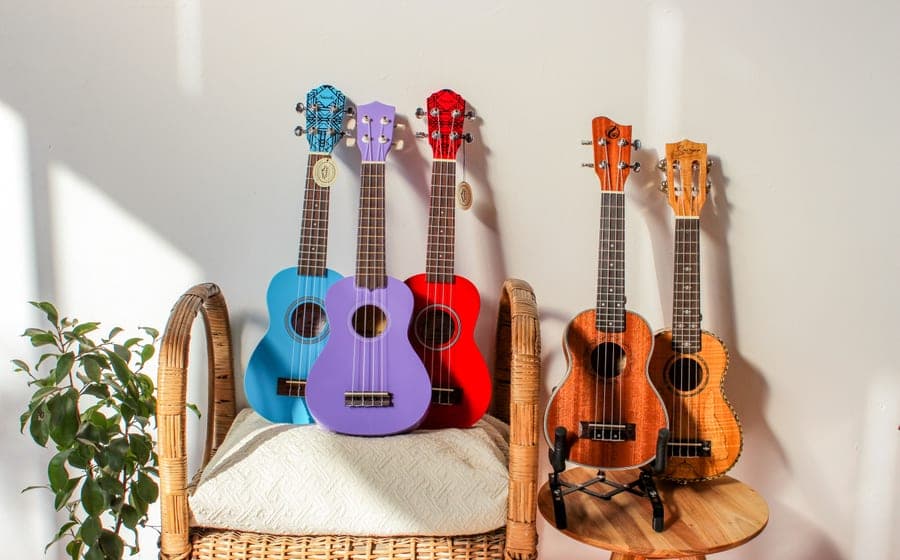
Covered in depth
Ukuleles
Four strings, soft nylon, and a small enough body that a seven-year-old can actually hold it.
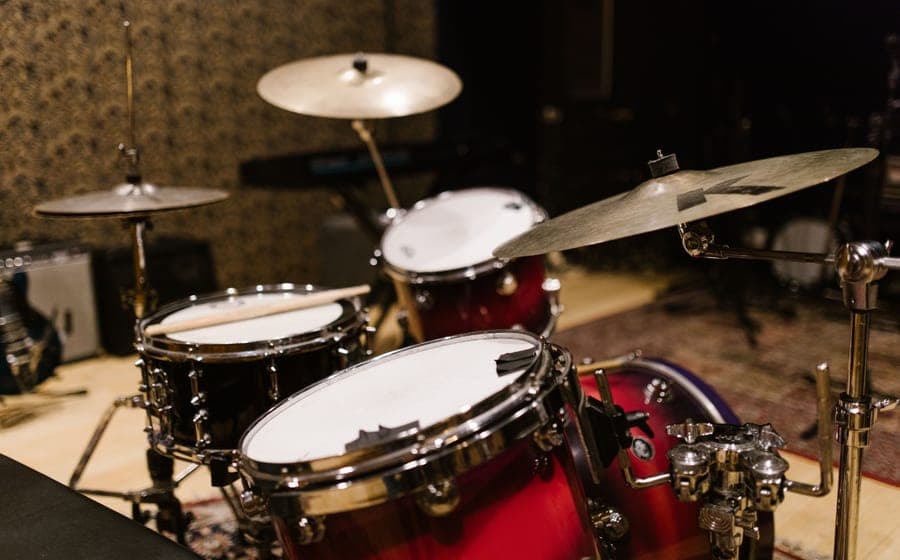
Covered in depth
Drums
Acoustic or electronic, sized by the player's reach rather than their age, and the noise question answered honestly.
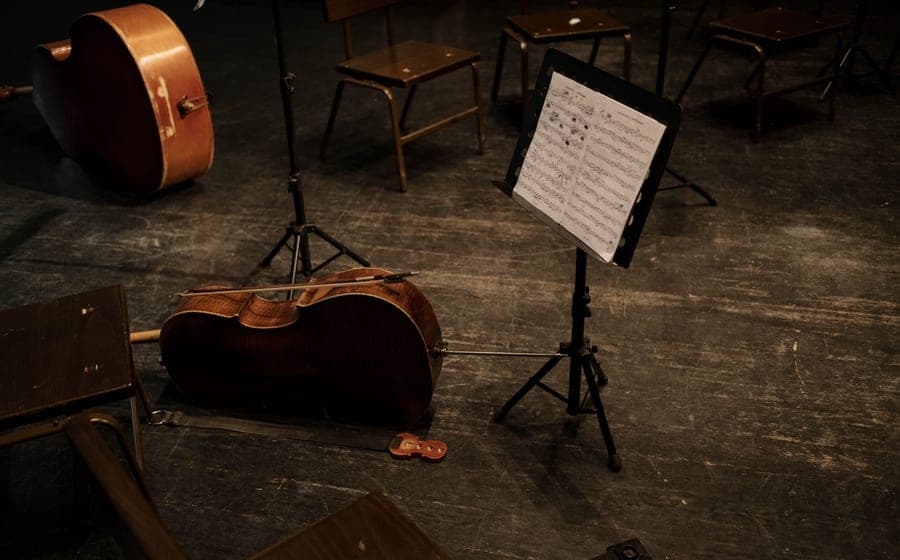
Sizing and starting out
Strings
Violin, viola, cello and mandolin — starting with the measurement that has to come before the purchase.

Sizing and starting out
Band & Orchestra
Woodwind and brass for school band — starting with the rent-or-buy question that comes before any of it.
The Starter Path
Every instrument on this site is read against the same four bands, so a parent who works out how to read the guitar page already knows how to read the drums page.
Below the floor is the band that matters most, because it is the one nobody names. An instrument here fails at something the player physically needs. A guitar whose tuning pegs slip cannot be kept in tune by a beginner, and a beginner cannot tell an out-of-tune guitar from their own bad fretting — so every chord that sounds wrong becomes evidence they have no ear. A keyboard that plays every note at the same volume cannot teach dynamics at all. A drum kit whose pedal a child cannot reach is not a small kit; it is an unplayable one. These are not cheaper versions of instruments. They are different, worse things.
The honest floor is the cheapest configuration that genuinely works, and we define it by a checkable list of specifications rather than by a price, because prices drift and specs do not. Nothing spare, nothing missing.
Enough is the buy-once tier: what a beginner will not outgrow inside a year or two. Most people should land here or at the floor, and the pages say so rather than pushing everyone upward.
Where overspending starts is the band nobody else publishes. It is the point at which more money buys capability a beginner cannot yet use — a nicer top wood, a better-finished fretboard, more velocity layers in a piano sample. All real. None of it audible in the first year. Naming this band is what makes the other three credible, because a site that only ever argues upward is a sales page with a methodology section.
The full method is published here, including what would get a pick dropped.
What we don’t do
Every site in this category will tell you they tested twenty guitars. We haven’t played any of them, and we’re going to keep saying so.
What we do instead: read the manufacturer’s own manual and specification sheet, compile the published numbers, and work out what a beginner physically needs from them — the scale length a seven-year-old can actually reach, the number of keys a method book assumes you own, the bass drum diameter that puts the pedal where a child’s leg reaches. Then we price it live, today, and stamp the date on it. Where we can’t find a published figure, the page says we couldn’t.
That is a weaker claim than a testing lab and it is one we can actually stand behind. Every specification on this site links to where it came from.
Latest
- 61 vs 88 key keyboard
- Acoustic vs electric guitar for beginners
- Acoustic vs electronic drums for beginners
- Are cheap guitars worth it?
- Are cheap keyboards worth it?
- Are cheap ukuleles worth it?
- Best beginner acoustic guitars: solid tops from $200 to $350
- Best beginner digital pianos: 88 keys, honestly compared
- Best beginner drum sets: complete kits for teens and adults
- Best beginner electric guitars: what's worth it from $150 to $400
How this site is funded
Chord & Case earns a commission when you buy through our links, at no extra cost to you. We accept no free instruments and no sponsored placements, and the commission does not change which instruments we recommend or the order they appear in.
Prices come from the retailer and are stamped with the date we checked them. Where we have no live figure, the page says “check price” rather than showing you an old number.